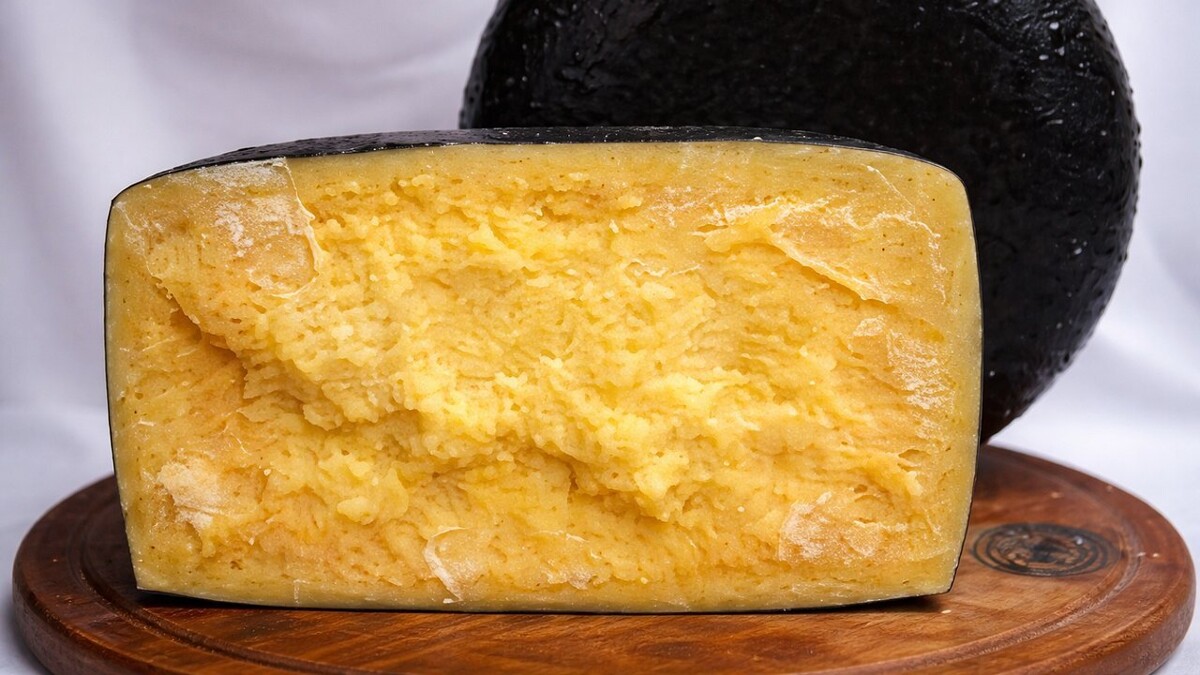
March 27th is World Cheese Day, and Argentina is the protagonist because it has a unique style of cheese that was created on the banks of the Paraná River and is present on tables throughout the country. It is the Goya cheese—the only Argentine cheese with a Denomination of Origin (DO)—a product from the province of Corrientes that was born alongside the activity of the river navigators of the Paraná River and that, over time, gave its name to both the cheese and the city. According to the Argentine News Agency, the history dates back to the 18th century, when Gregoria Morales and Bernardo Olivera supplied the Paraná River boats with an artisanal cheese made from the milk of cows fed with palm and yatay fruits, which gave it its characteristic flavor. Over time, this cheese began to be known as 'the Goya cheese' and its fame grew rapidly. This cheese is mainly produced in the lower valley of the Chubut River and is characterized by its semi-hard texture, mild flavor, and good preservation capacity. Today it is difficult to imagine an Argentine grill without provoleta. Provoleta was developed as a local adaptation specifically designed to be cooked on the grill. By the 19th century, it was already circulating widely throughout the territory and was one of the first cheeses produced in the country to reach Buenos Aires, thanks to the navigators who transported it down the river. The Goya cheese, the only Argentine cheese with a denomination of origin, is also produced in the Pampean region. Unlike Goya cheese, its origin is linked to European traditions, but its evolution in Argentine territory gave it its own characteristics. Chubut cheese is usually used in Argentina for the Vigilante dessert. The characteristics of Gouda cheese are detailed below: It is a hard, semi-fat cheese with an intense yellow color. It has a salty flavor with slightly spicy notes. It is ideal for cheese boards, snacks, and pairings. It pairs especially well with young Malbec or Cabernet Sauvignon wines. Although it is also produced in the Pampean region today, its origin is associated with the Corrientino coast. In addition to its gastronomic value, Goya cheese represents a rarity on the Argentine cheese map: it is one of the few local developments that does not directly replicate a European recipe, but arose as a result of adaptation to the territory and its productive conditions. Chubut cheese, a heritage of Welsh settlers Another interesting case within the world of cheeses with local identity is the Chubut cheese, developed by Welsh settlers who settled in Patagonia at the end of the 19th century. It was originally conceived as a food resistant to the passage of time and the climatic conditions of southern Argentina. Over the years, it became a regional classic and today is part of the Patagonian gastronomic heritage. Although it derives from Italian provolone, its format and way of consumption were born in the country. Provoleta, an Argentine classic with an Italian imprint. Its texture allows it to brown on the outside and melt on the inside, which made it one of the most recognizable dishes of the asado ritual. Over time, it transformed into a typical starter for family gatherings and meetings between friends, accompanied by oregano, ground chili, or olive oil. Its presence in fairs, Welsh tea houses, and tourist circuits of the province reinforces its cultural value in addition to its culinary one. Provoleta, an Argentine invention derived from Italian provolone Within the national cheese universe, there is another very representative creation: provoleta, an infallible classic of the Argentine grill.